The Slime Mould, Live
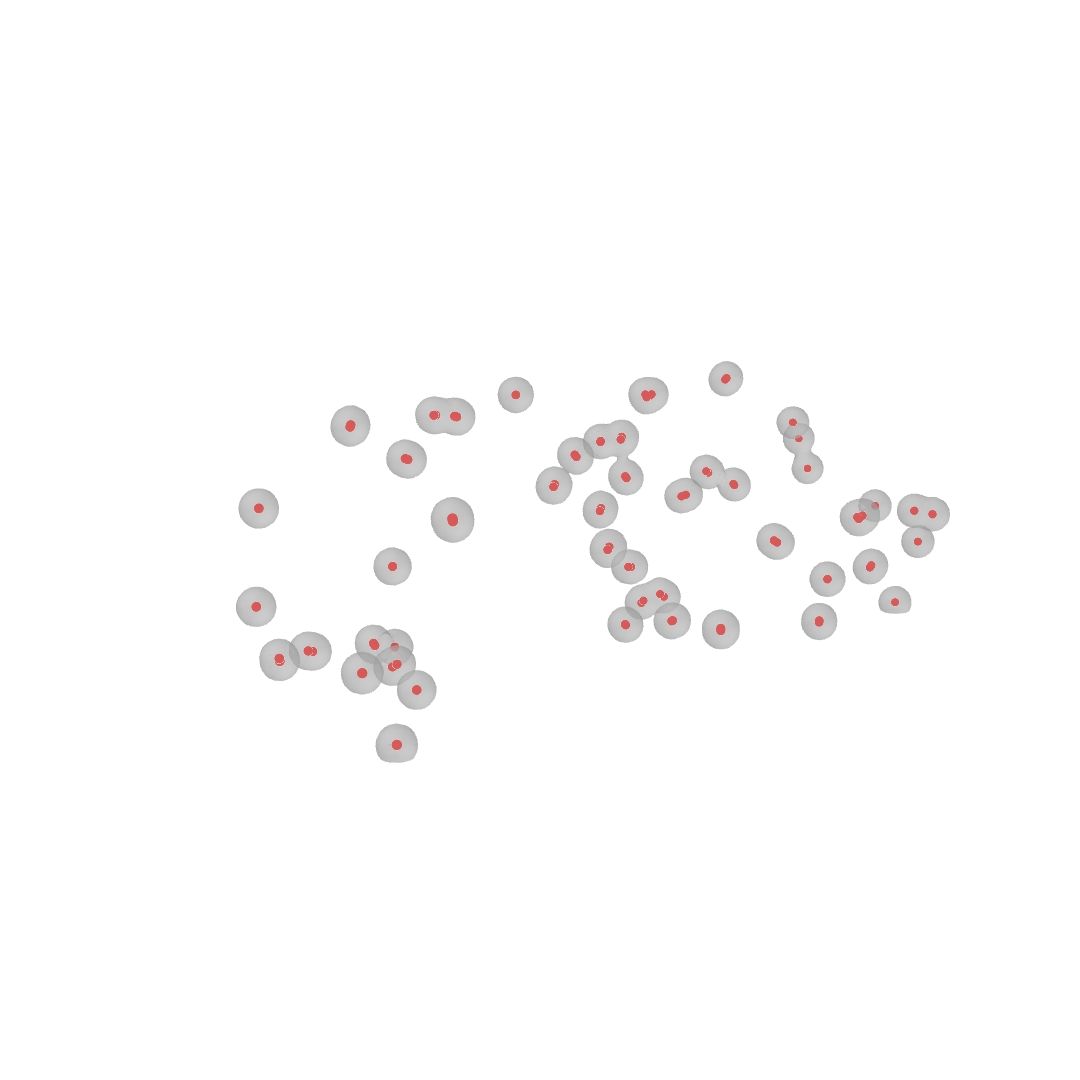
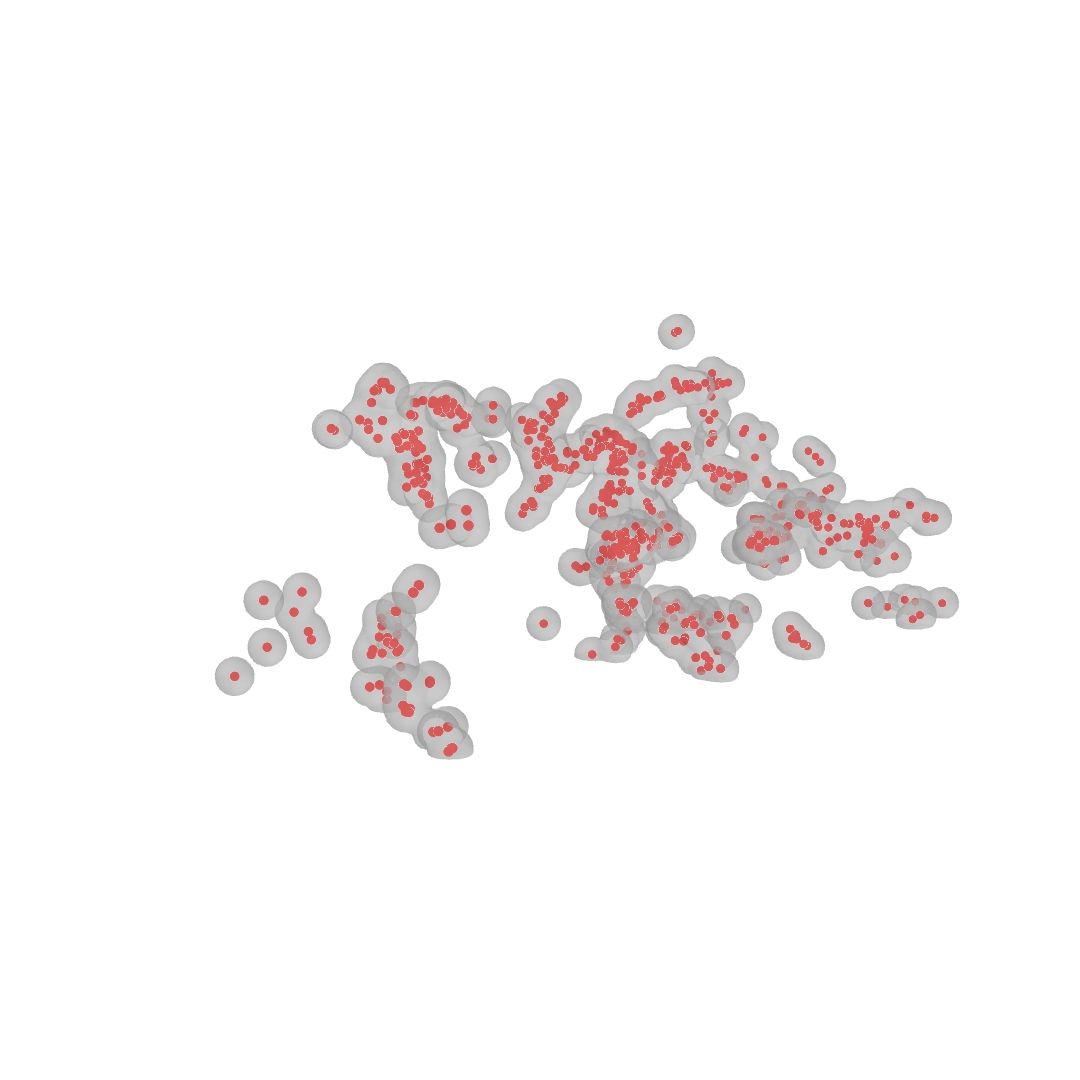
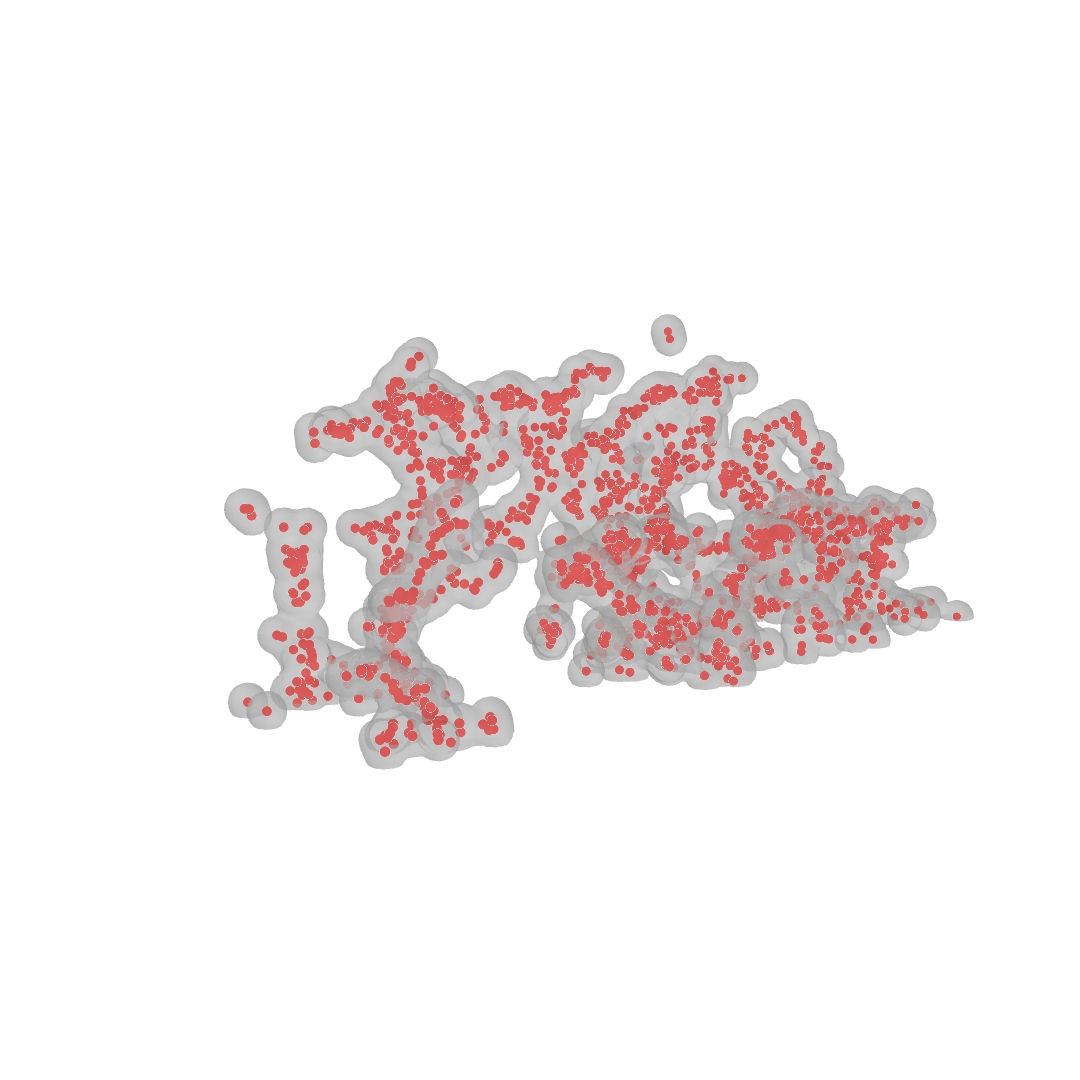
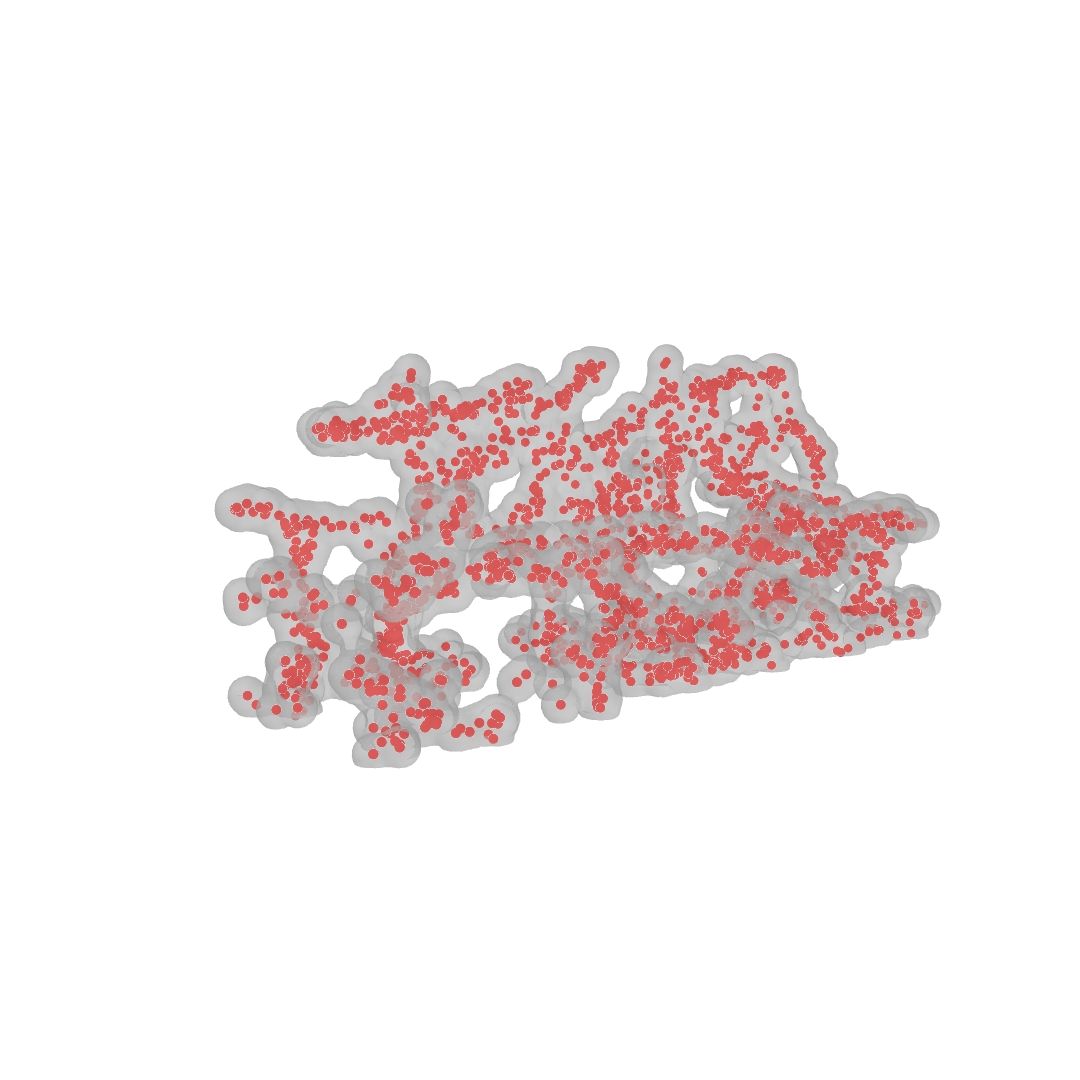
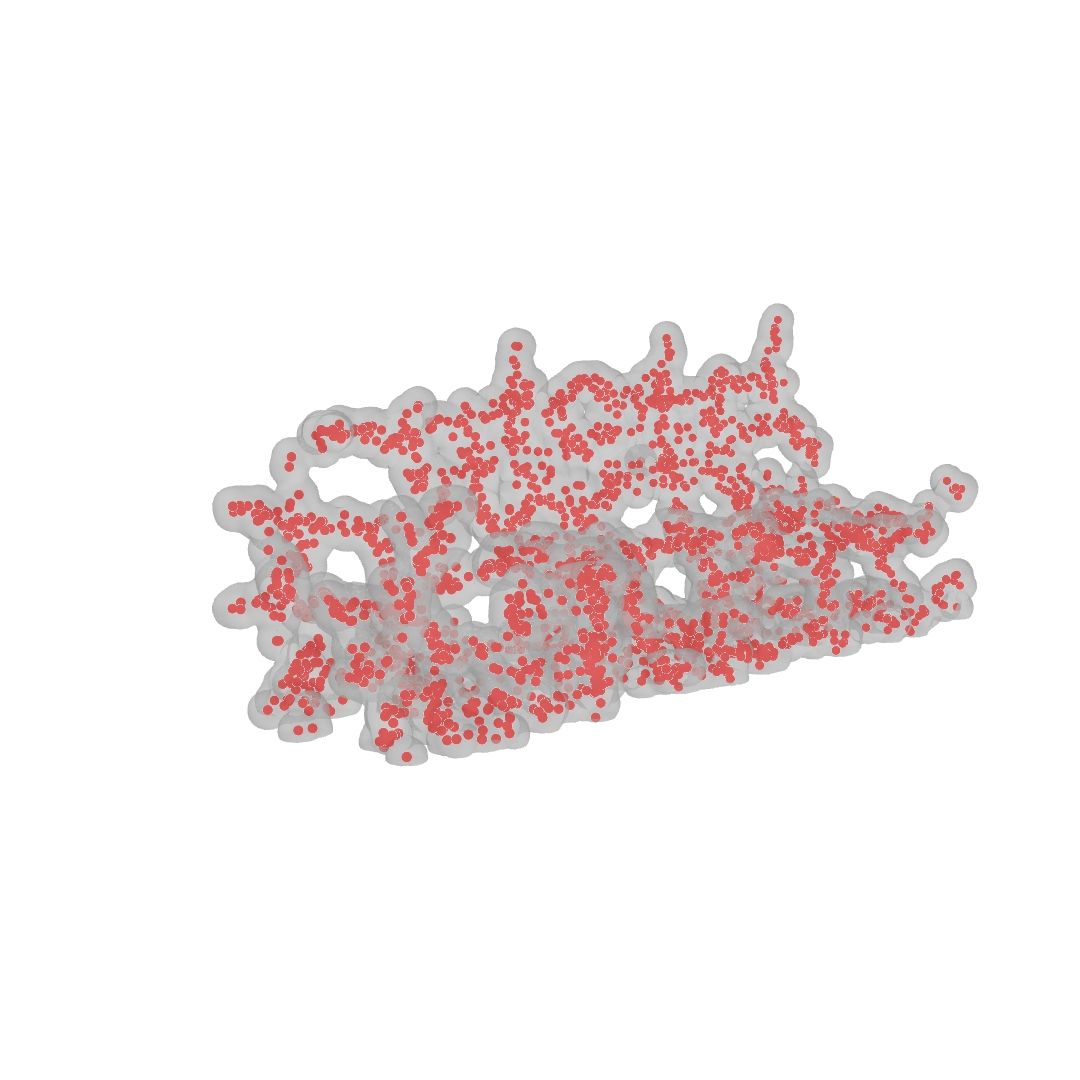
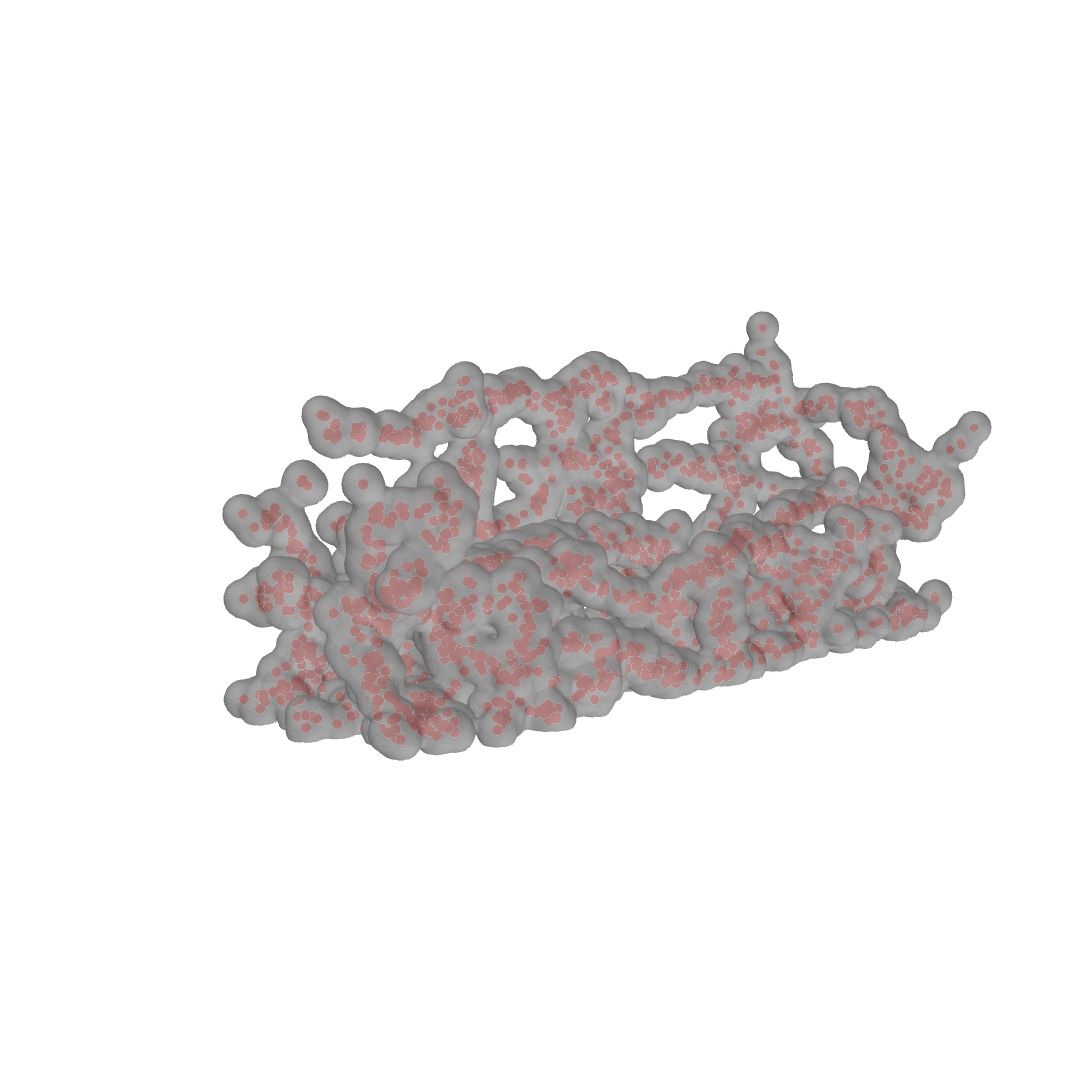
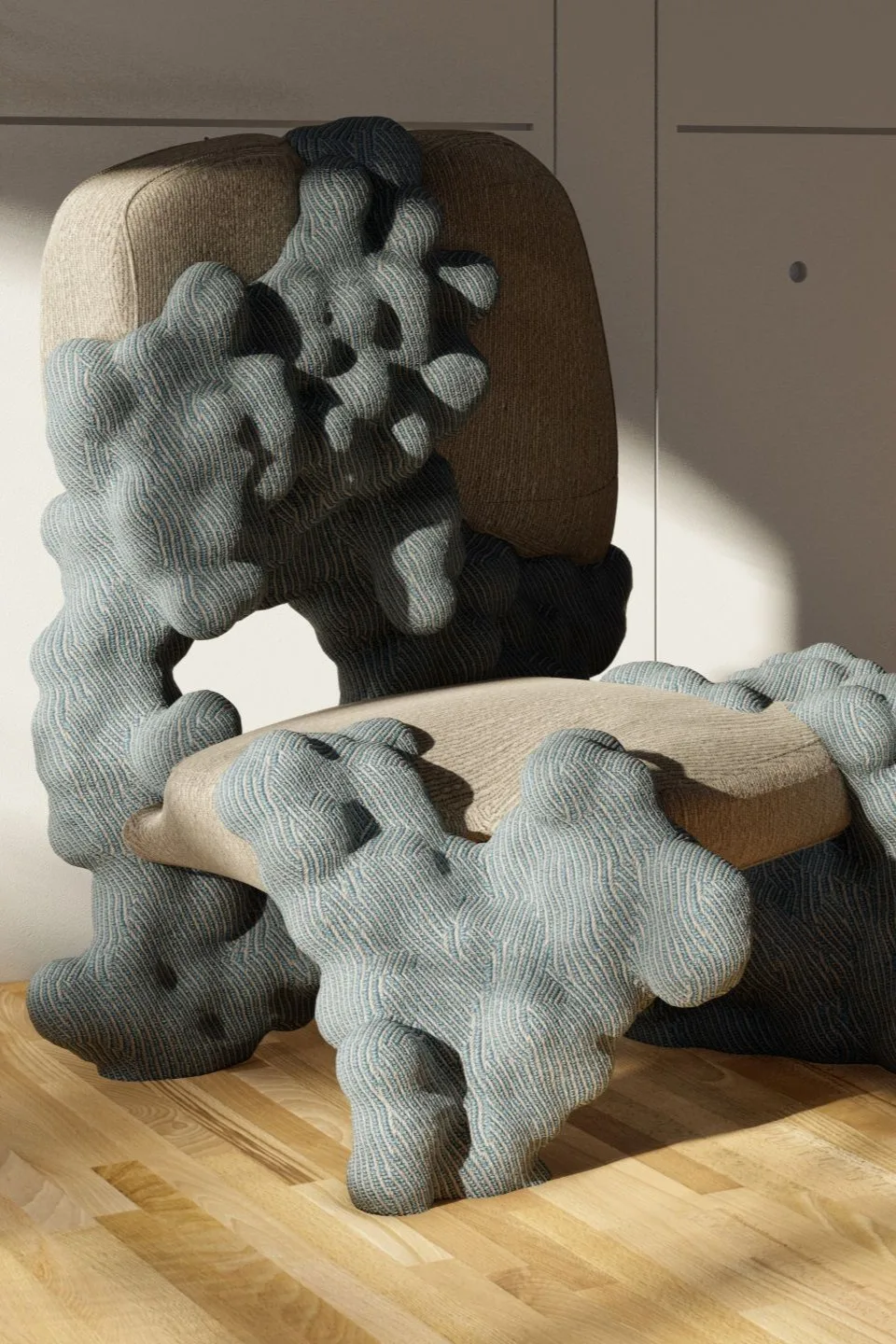
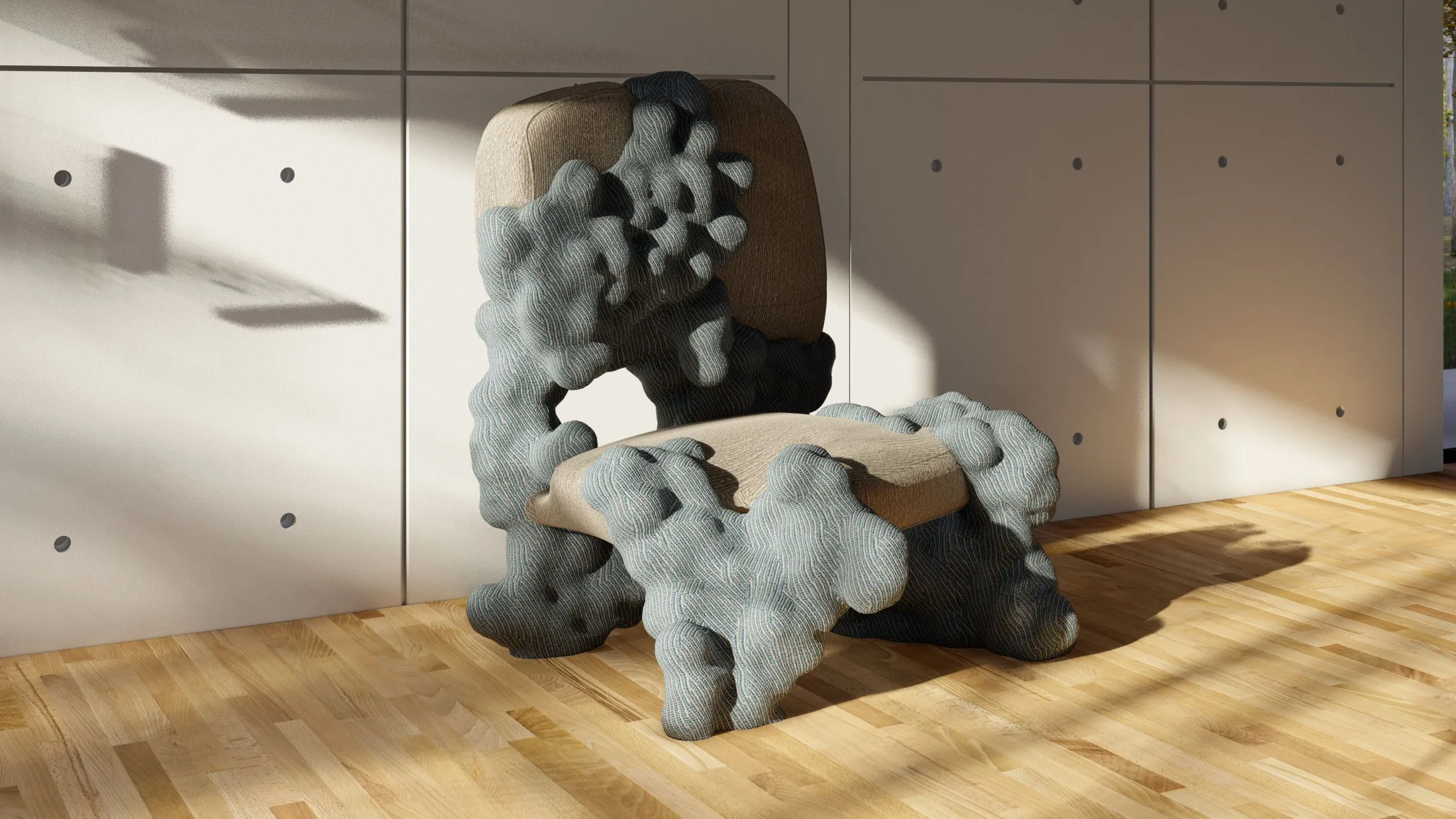
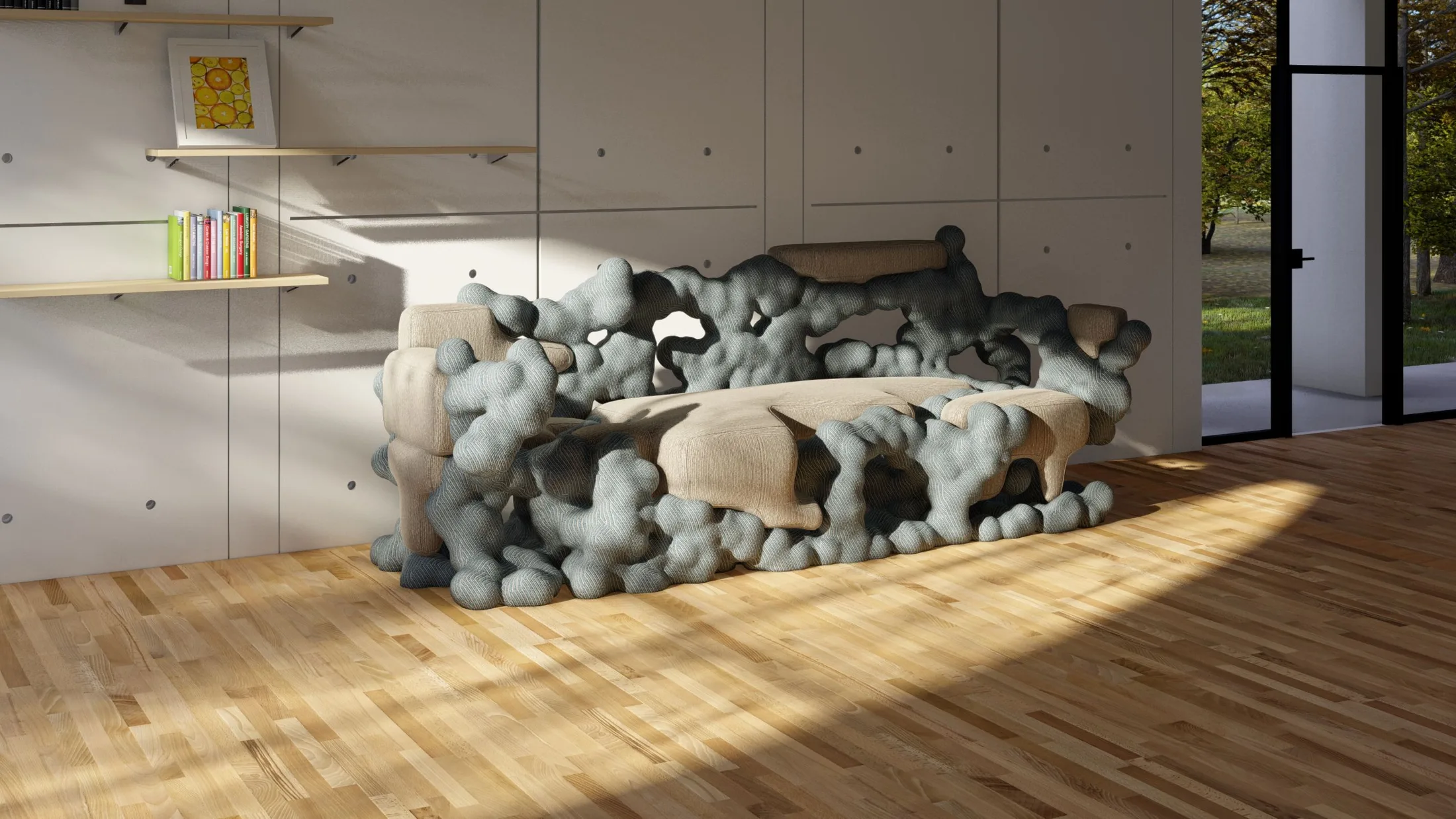
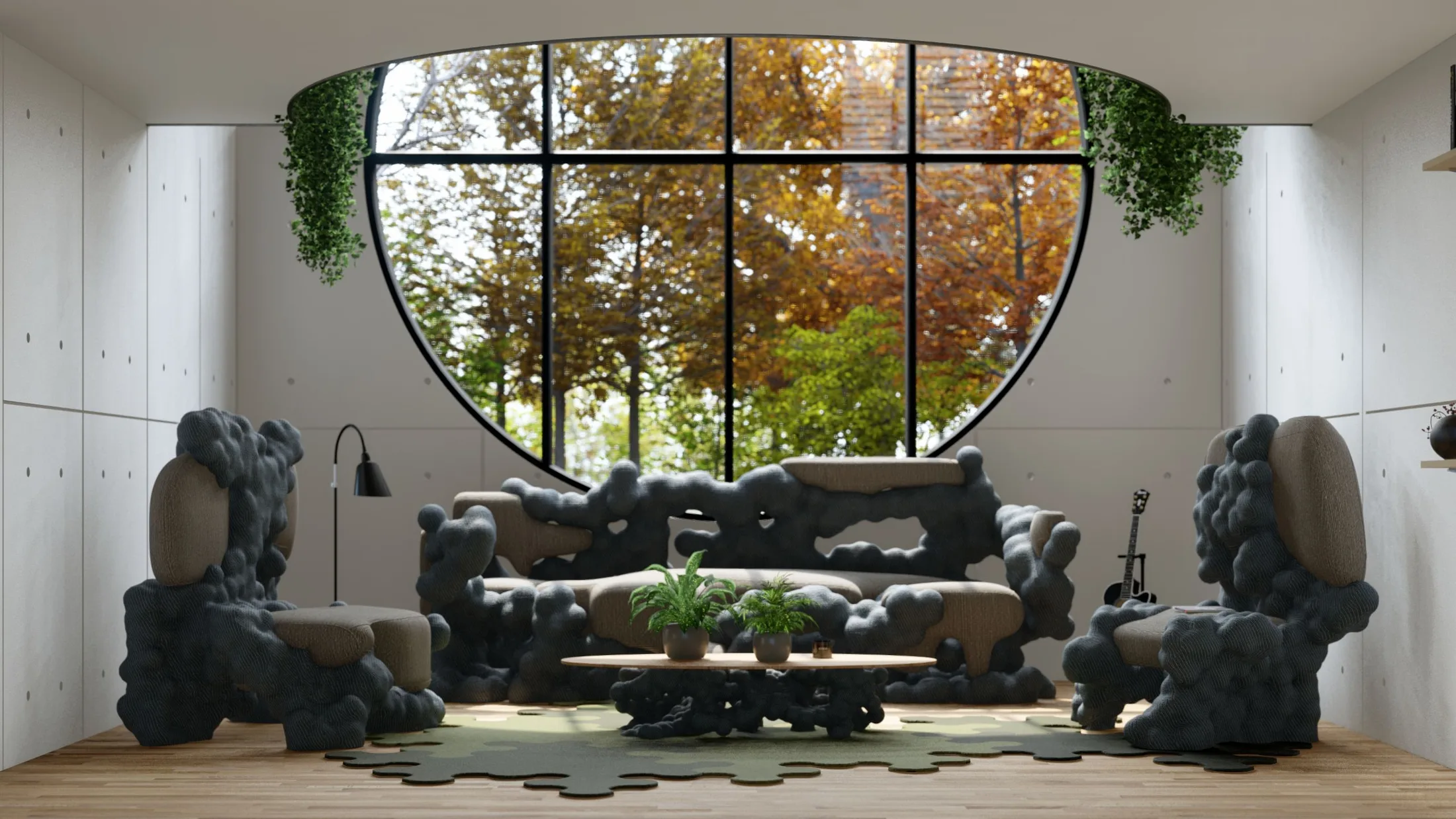
Before the pieces: this is the Physarum system that generated them, running in your browser. Slime mould never plans a route. Thousands of agents follow chemical trails, reinforce whatever works, and let the rest fade, and a transport network emerges from that alone. Here the ergonomic constraints of each piece, the seat, the back, the armrests, the feet, act as food sources, so the network the colony builds is forced to become furniture.
Overview
This project was developed for a generative design course focused on applying agent-based modeling to inform design decisions. I framed the design challenge around developing a cohesive furniture family with a unifying formal language inspired by biomimicry.
Design process
Agent-based methods were well suited to this goal, as they allow complex, coherent forms to emerge from simple behavioral rules. Using the Physarealm plugin, a slime-mold-based agent system for Grasshopper, I simulated growth behaviors to generate a furniture line constrained by physical and ergonomic requirements, such as seating surfaces and armrests.